
How Much Light Does a Room Actually Need?
A Plain English Guide to Lumens and a tool to help you ANSWER THE BIG QUESTION
IS your lighting design “bright enough”.
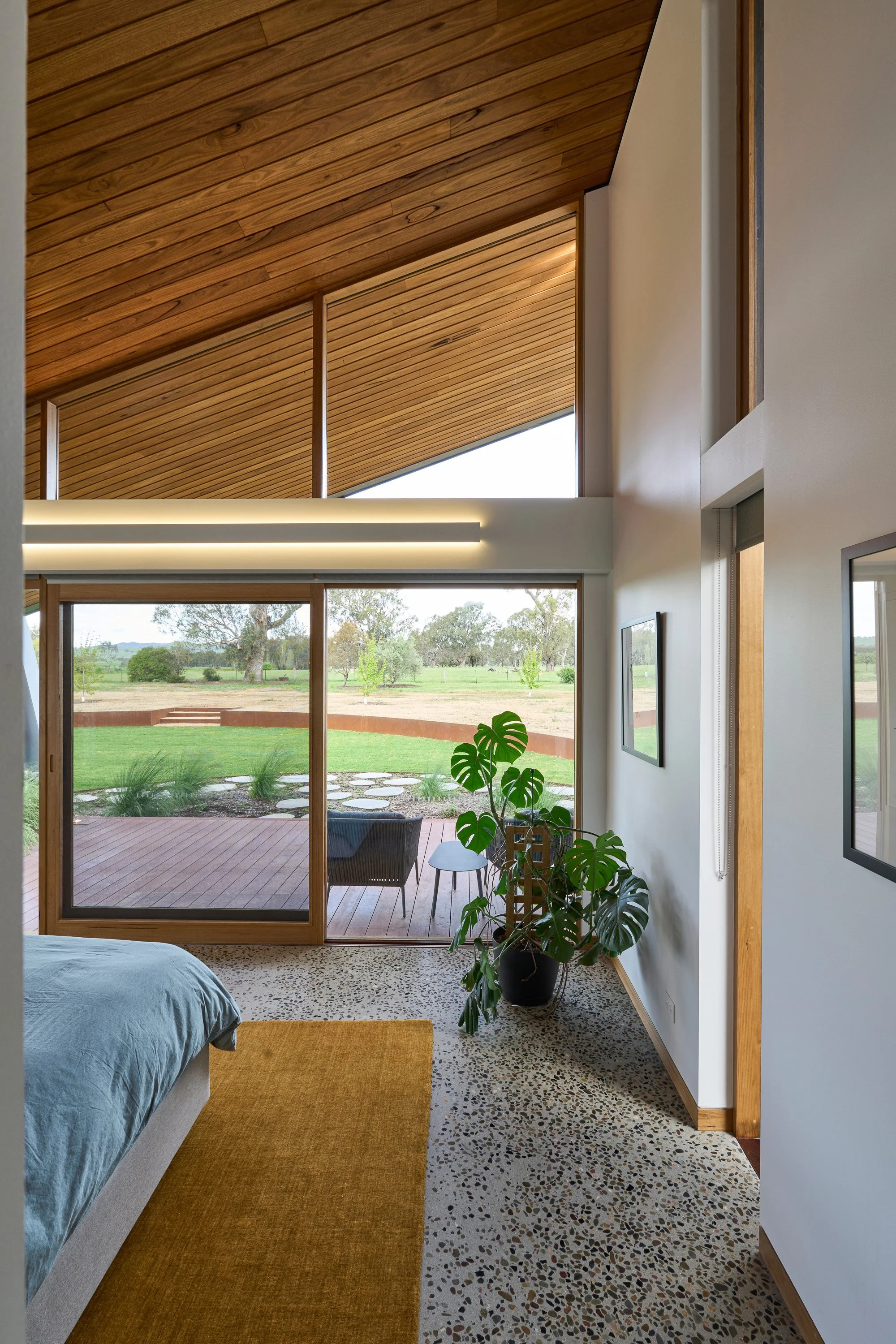
One of the most common questions I hear is some version of "how bright should my light be?"
And it's genuinely a good question, because unlike choosing a paint colour (where you can hold a swatch up to the wall and squint at it), light is invisible until it's installed, and by then it's a bit late to discover you've either lit your living room like an operating theatre or left your kitchen so dim you can't see what you're cooking!
So let's talk about lumens.
Lumens are the measure of how much light a fitting actually produces.
With LED, we don’t care about the Watts when it comes to working out how bright the light will be, lumens are the only true indicator of performance. (Watts matter of course, just not when it comes to working out how bright the light is going to be)
A good quality LED uses a fraction of the energy of an old incandescent bulb to produce the same amount of light.
An old 60W globe created around 600lm while an LED of 5W can now create 600lm too.
In a few years we may get even more lumens for our watts!
So clearly, understanding lumen output is the fast track to understanding light and how to design with it.
There is a formula! Welcome to the maths of light.
The professional (simple) method for calculating how much light a room needs is called the lumen method, and it's more straightforward than it sounds.
You need to know two things:
1 - the total area of the room in square meters, and
2 - to have a sense of what that room is to be used for so you can determine how bright it needs to be.
A bedroom has very different lighting needs to a kitchen, and your hallway needs far less light than your bathroom vanity. The activity in the room (or even at different locations within the room) determines the target light level which is measured as lumens divided by meters squared = Average Lux.
Lm x area / 2 = avg lux
Achieving that lux level will require a certain amount of lumens (which is the measure of the amount of light coming out of any light fitting) and then, critically – positioning the light where it is actually needed.
For example, you don’t need to light an entire lounge room for reading fine text – you need to provide task lighting to the location where the activity of reading is done.
If you know how many lumens you have in your room, you can reverse the formula and figure out your average Lux which will give you an idea of how appropriate your design is for that room.
Avg lux x total area x 2 = target lumens
When you know how many lumens in total you need (or have in your design), divide that number by the area of the room, and halve it - and you can get an idea of the average lux you can expect. This is the first step to working out if your design is in fact “bright enough”.
As with any rule of thumb type formula, this is a generalised result, that doesn’t take into account reflectance of the room or many of the other factors we consider in lighting design. If you want to be exact, you’ll need to run a computer calculation. But if you just want a quick sanity check – the lumen method is the easiest way to do that.
A simple example: a living room of 25 square metres needs somewhere in the range of 2,500 to 4,000 lumens total for general ambient light. If you're using six fittings, you're looking for fittings that each produce around 400 to 650 lumens. If you're using fewer, larger fittings, each one needs to work harder. If you’re using smaller, lower output fittings you might need more. And if you are layering your light, you might end up with a higher overall lumen count – but the ability to make the room feel “just right” no matter what you’re using it for.
Calculating light gets you in the right ballpark – but it doesn’t give you the whole answer, you still need to design your light to create the right balance.
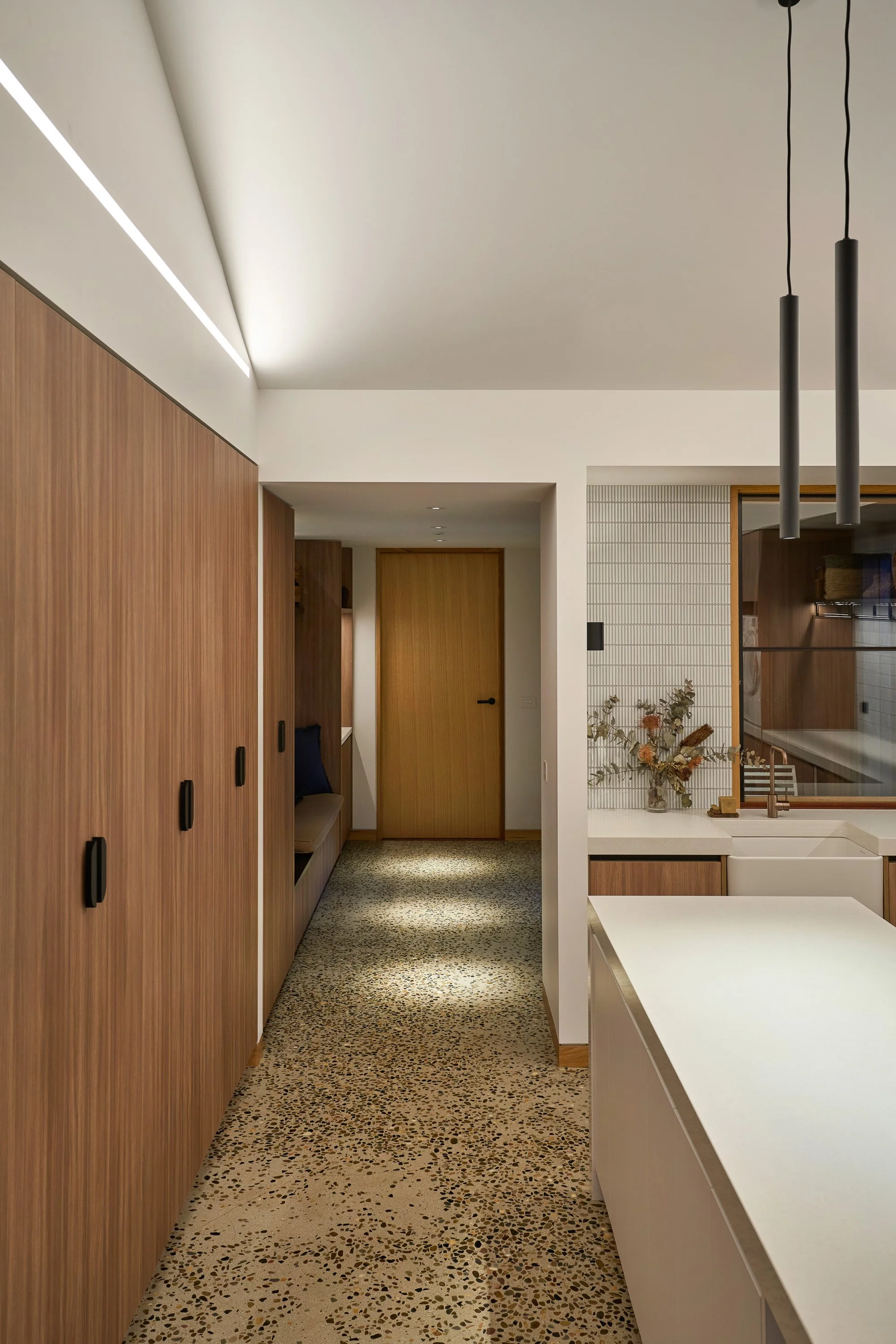
To make this easier for you we have built a LUMEN calculator
How Many Lumens
Does Your Room Need?
A starting point for understanding the light levels in your home. Fill in your room details below for a working estimate based on IESNA recommended lux levels.
This is a guide, not a guarantee. A well designed lighting scheme depends on fitting quality, room geometry, how you layer your light, and how you actually use the space. We'd love to help you get it right.
Talk to MINT about your homeNote: The ranges used in our calculator are from a residential light level guide provided by the IES in America and our experience producing residential lighting designs since 2012. Residential Lighting is not covered in AS1680 or other Australian lighting standards, however you can apply the logic of those standards to your lighting design at home if you have a copy and want to use them. It’s very important to recognise that personal preference plays a real role in lighting design and older eyes genuinely need more light to perform the same task comfortably as younger eyes so please make use of this calculator as starting point or a guide remembering always that is not a strict rule, it is not a guarantee of design performance and it is not comprehensive professional advice.

Two things that will throw your calculation out if you ignore them
1. Ceiling height matters more than most people realise.
The lumen output from a light fitting is strongest at the fitting aperture and weakens over distance.
The lux levels provided in the calculator assume a standard ceiling height of around 2.4 to 3 metres. If your ceilings are higher than that, the lux estimator may be less accurate as it is not evaluating the specific performance of the light fittings you are using. To compensate you may need to increase your lumen output OR tighten your beam control (choose narrower more targeted light fittings) to get the lights to produce the brightness required at the level in the room where it’s needed.
2. The colour of your finishes and furniture can have a big impact.
A room with light coloured walls and pale finishes will feel significantly brighter than the same room with dark walls and finishes, because light bounces off pale surfaces and is absorbed by dark ones. If your joinery is dark, or your walls are deeply coloured, you may need considerably more lumens than these guides suggest to achieve the same average lux.
However, it’s important to recognise that light is measured as it hits the surface – so you can have 300lx on a black table top and 300lx on a white table top and, whilst they will appear very different to your eyes, you do in fact have the same functional light on that horizontal surface.
Also keep in mind, if you’ve chosen dark colours, you’re more than likely trying to create a moody space – so filling that room with extreme amounts of light to achieve a specific Lux level isn’t necessarily the right approach. .
Always remember, a good lighting design is about more than engineered lux targets, and all the attributes of a room must be considered. This is a guide, not a guarantee.

The lumen method gives you a solid baseline, and it's what we use as a reference in our own designs at MINT. But it is genuinely only a starting point.
The right amount of light in a room also depends on the quality of the fittings, how efficiently they deliver light to the surfaces below them, the reflectance of every finish in the room, how you personally use the space, and whether your lighting is layered so you have options rather than one fixed level that has to suit every occasion.
A well designed lighting scheme always includes dimming as well as considered switching groups. If you’re taking the DIY path for your lighting design, then get your lumens right and include dimmers, because being able to reduce too much light is always going to be preferable to having to re-wire when you don’t have enough!
If you're looking for a professional to do the design thinking for you, so you can confidently move ahead with the ideal lighting design for your home, it's worth talking to a MINT lighting designer.
You can read more about how we think about choosing the right light fittings in our blog on evaluating light fittings for use at home, and if you'd like us to help with your design, we'd love to hear from you.